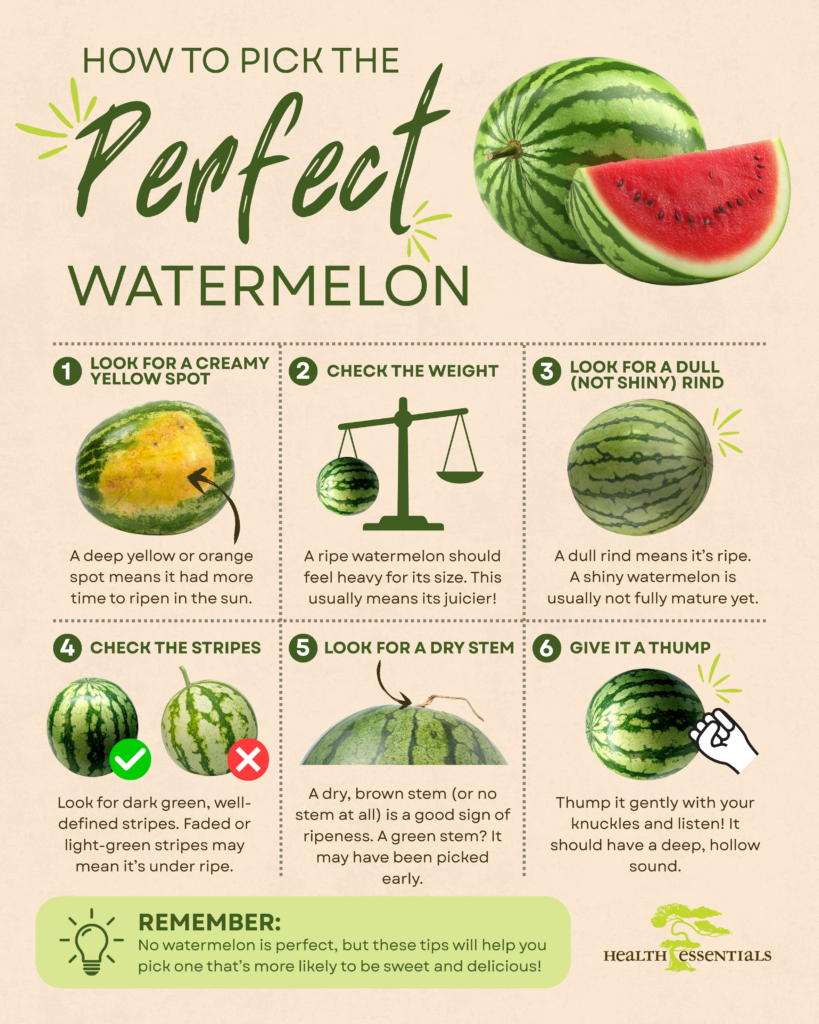
Simple tips to help you choose a sweeter, juicier watermelon every time.
There is nothing quite like biting into a perfectly ripe watermelon on a warm summer day.
It is refreshing, naturally sweet, packed with water, and one of summer’s simplest pleasures. But we’ve all experienced the disappointment of bringing home a watermelon that looked perfect on the outside only to discover it was pale, dry, or lacking flavour once it was cut open.
The good news is that nature leaves behind plenty of clues.
While no method is guaranteed to be perfect every time, learning what to look for can greatly improve your chances of choosing a watermelon that is ripe, juicy, and full of flavour.
Here are some of our favourite tips.
Look For The Field Spot
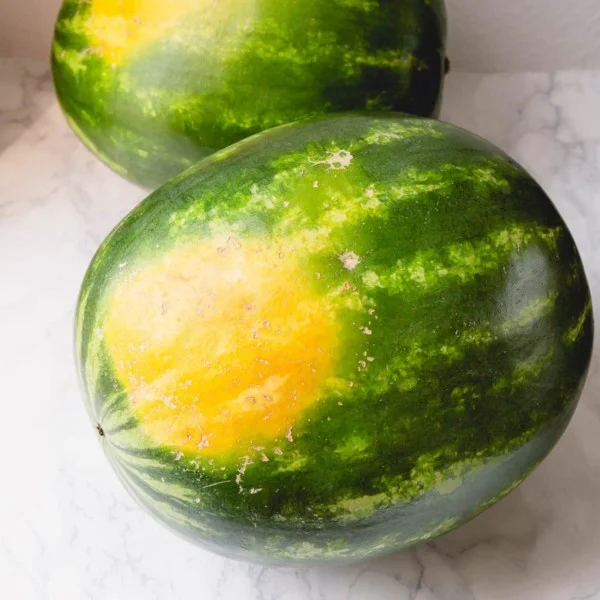
One of the easiest things to check is the field spot.
This is the creamy yellow patch on the watermelon where it rested on the ground while it was growing.
A ripe watermelon should have a field spot that is a rich creamy yellow or even slightly orange. This tells you the fruit had plenty of time to ripen naturally in the sun before it was harvested.
If the spot is very pale or almost white, the watermelon may have been picked a little too early.
Pick It Up
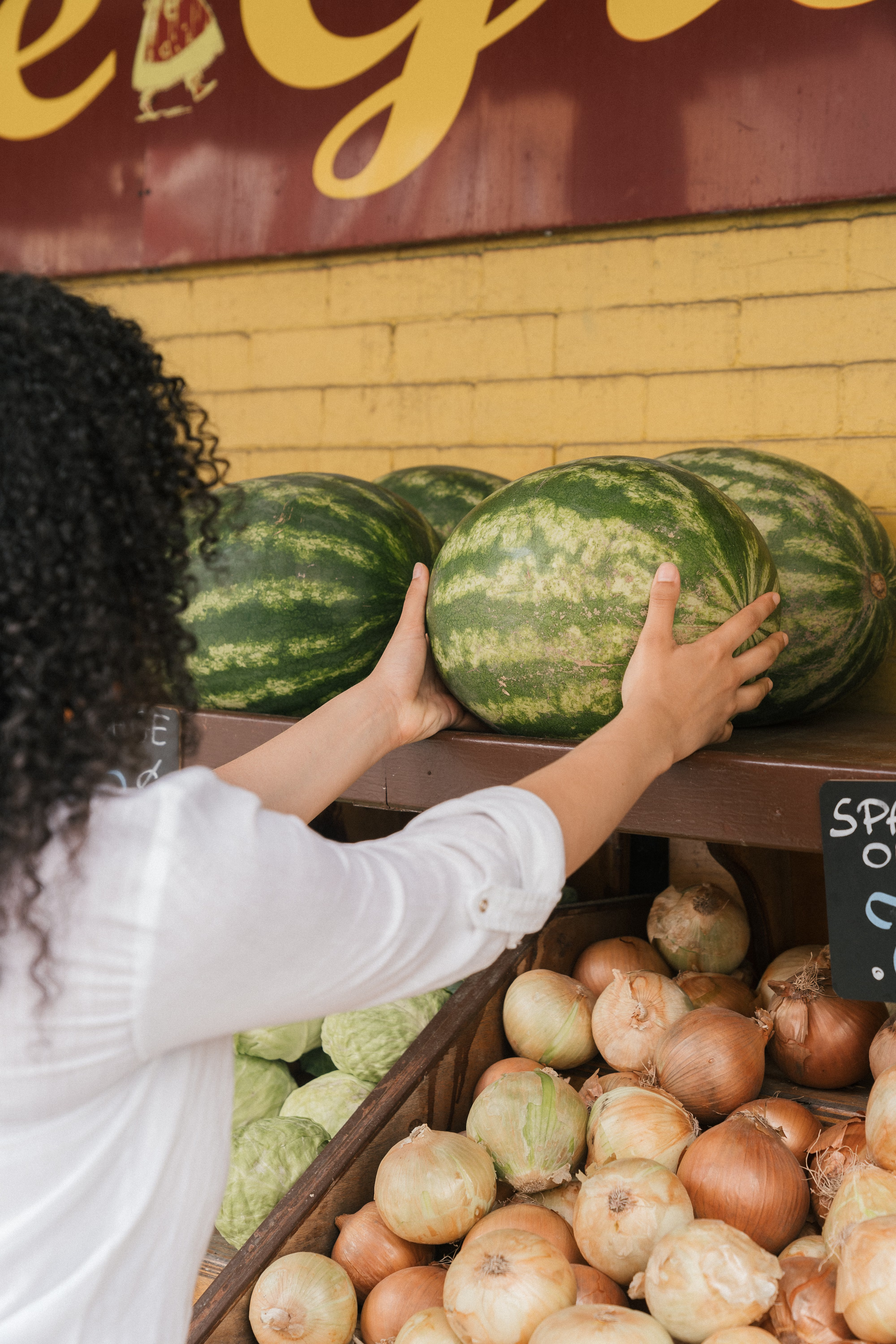
Watermelons should feel surprisingly heavy for their size.
Why?
Because a ripe watermelon is made up of about 90 percent water, meaning a heavier melon often contains more juicy flesh.
If you are choosing between two watermelons that are about the same size, pick up both. The heavier one is usually the better choice.
Look For A Dull Rind
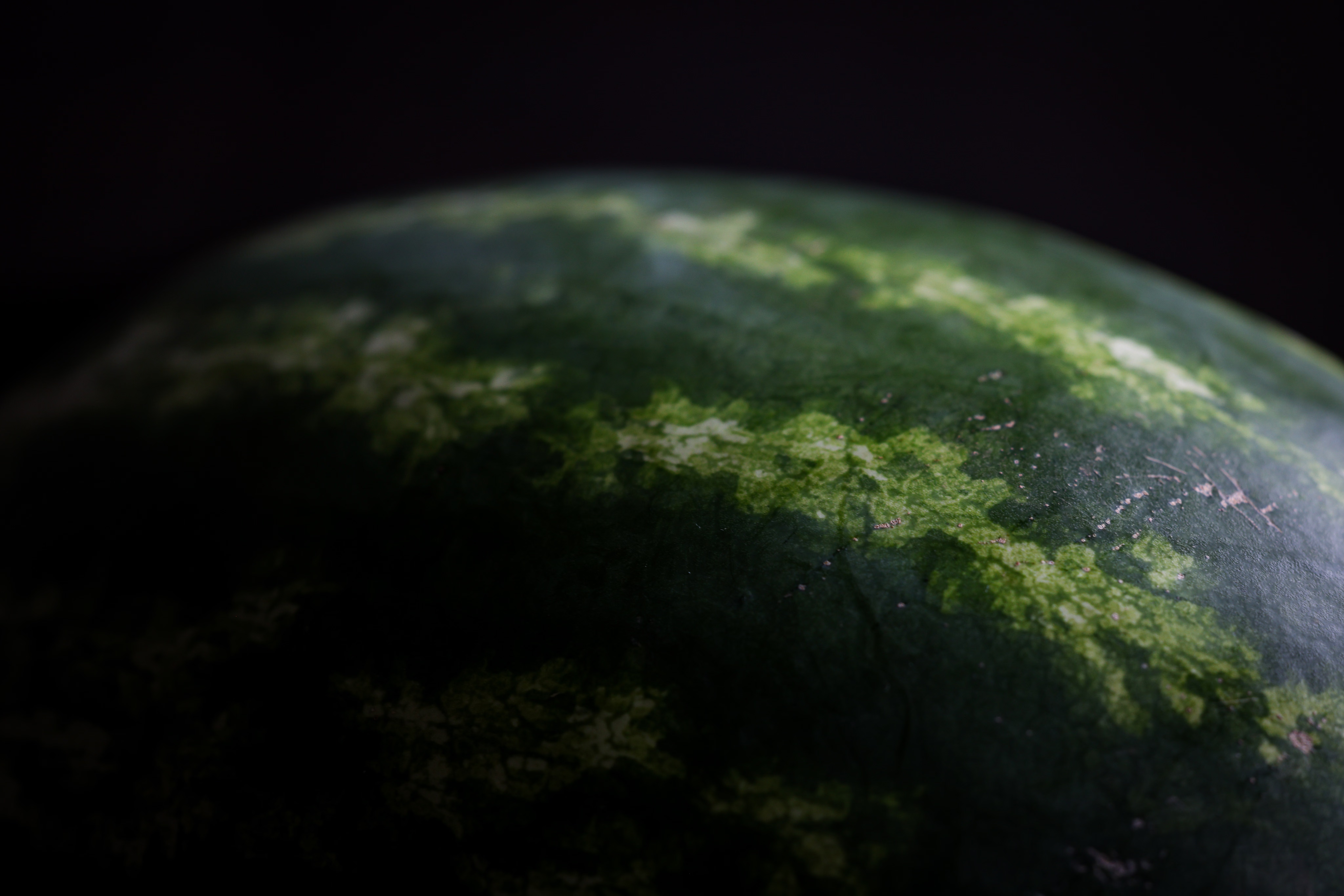
Many people assume a shiny watermelon looks fresher.
In reality, the opposite is often true.
A ripe watermelon usually has a dull or matte finish rather than a glossy appearance. This happens naturally as the fruit matures on the vine.
A watermelon that is still very shiny may not have reached its peak ripeness.
Check The Stripes
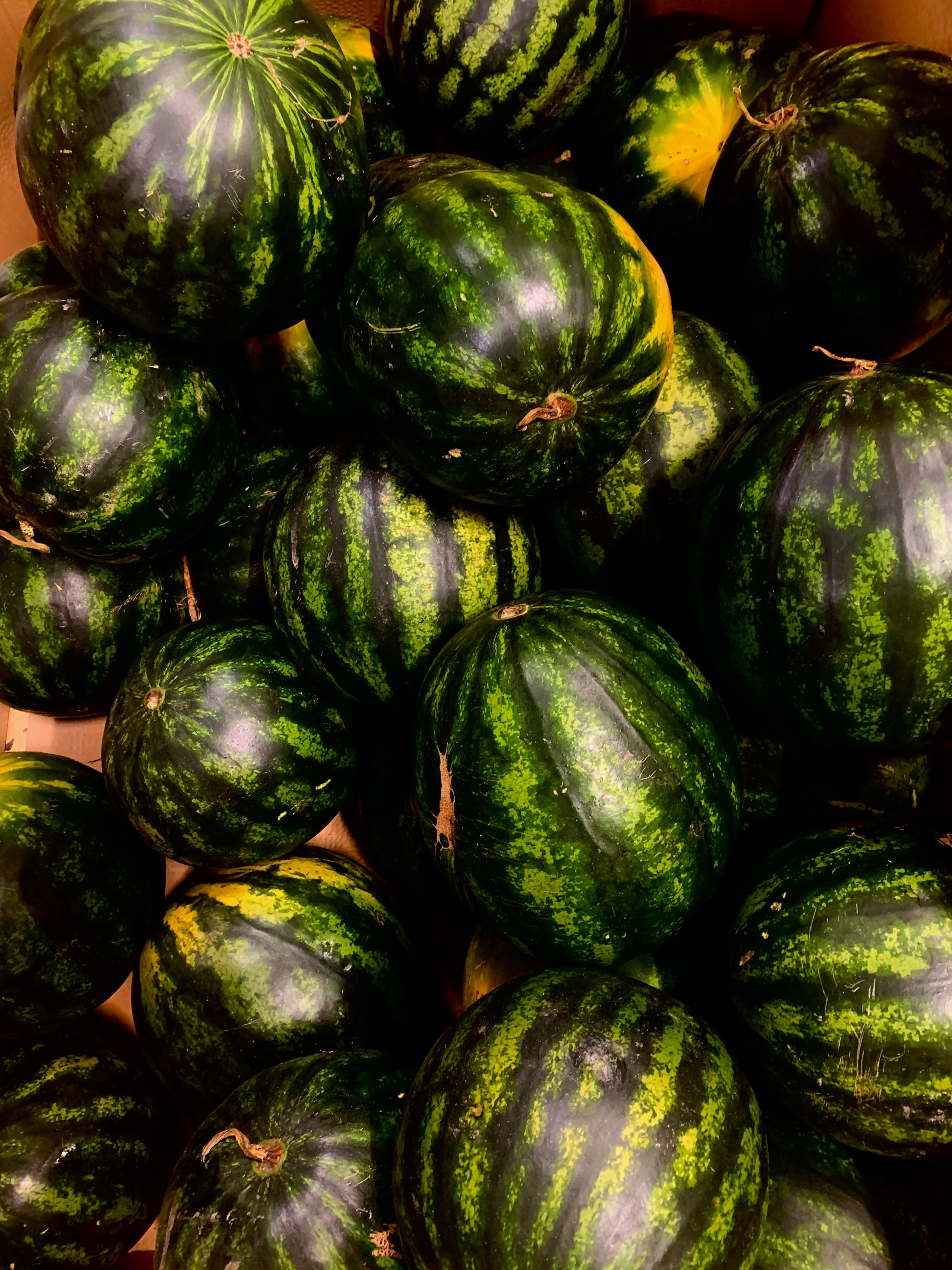
The colour of the watermelon can also tell you a lot.
Look for dark green stripes with good contrast between the lighter and darker areas of the rind.
The more defined the pattern, the better.
A watermelon with faded colours or very little contrast may not be fully ripe.
Don’t Forget The Stem
If the stem is still attached, it can offer another helpful clue.
A dry, brown stem usually means the watermelon ripened on the vine before it was picked.
A green stem may suggest it was harvested a little earlier than ideal.
Of course, many watermelons are sold without stems, so don’t worry if yours does not have one.
Give It A Gentle Tap
Yes, the famous watermelon thump test actually has some truth behind it.
Give the watermelon a gentle tap with your knuckles.
A ripe watermelon should produce a deep, hollow sound.
If the sound is dull or flat, the fruit may not be fully ripe.
While this trick takes a little practice, it can become surprisingly helpful once you know what to listen for.
No Watermelon Is Perfect
Even if you follow every tip, Mother Nature still has the final say.
Every watermelon grows a little differently, and there will always be a bit of mystery until you slice it open.
The goal is not perfection.
It is simply giving yourself the best chance of bringing home a watermelon that is sweet, juicy, and bursting with summer flavour.
Enjoy Watermelon All Summer Long
Watermelon is more than just a delicious treat.
It is naturally hydrating, contains vitamin C and vitamin A, and is an easy way to enjoy more fresh fruit during the warmer months.
The next time you are standing in front of a giant display of watermelons, remember these simple tips.
- Look for the creamy field spot.
- Choose the heavier melon.
- Check for a dull rind.
- Look for bold stripes.
- Notice the stem.
- And do not be afraid to give it a gentle tap.
With a little practice, you will be picking sweeter watermelons all summer long.
We hope these tips help you find your sweetest watermelon yet.
Happy watermelon season! 🍉💚